“high dry” search results (9000)
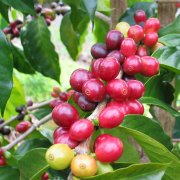
Ethiopia Harald G4 rich texture and unique natural drying method of mocha incense
Ethiopian Harald G4 | EthiopiaHarrar Grade4 Harald coffee is cultivated by natural drying between 1800m and 2500m above sea level and exported to countries around the world through the city of Dire Dawa. Because of its high popularity and low production, the price is high relative to its grade, and it is one of the most beloved premium coffee in the world.
2016-06-28 Ethiopia Harald Rahl rich sensitive unique mocha natural dry
Introduction of water washing method for the treatment of high-quality coffee and raw beans
Coffee washing began in the mid-18th century. In the washing process, the pulp of the coffee fruit (red cherry) is first removed, then the residual mucous membrane on the inner pericarp is removed by a fermentation tank, and the beans are washed and dried. The difference between the non-washing method and the water washing method is that the non-washing method is to remove the pulp after drying, while the washing method is to remove the pulp before drying. Washing can pass every step.
2015-04-17 Boutique coffee raw beans treatment method introduction washing starting from
Analysis of Coffee Bean treatment process Coffee bean drying method and washing method
1. Peeling removes the peel and most of the flesh by mechanical or manual means. two。 Fermentation removes the mucus and film from the core by fermentation. as the length of fermentation time will affect the flavor of coffee, each manufacturer has its own fermentation time. 3. The drying method is mainly divided into natural sun drying and natural air drying. Excessive water content can easily lead to mildew and insect growth of raw coffee beans.
2015-10-15 Coffee beans treatment process analysis drying water washing peeling utilization machinery
Introduction of coffee bean sun washing red honey treatment variety taste manor country
Yejia Xuefei coffee beans we know that coffee raw beans can be roughly divided into three methods. The distinction between each method is based on the fact that several layers of matter are removed from the fruit before the coffee is dried. The following is a list of three major processing methods: 11. Natural sun treatment: retain all substances 22. Honey treatment: remove the peel and pulp, retain some or all of the mucous membrane (honey) 3 washing method: use water
2016-10-21 Coffee beans sun French water washing red honey treatment variety taste manor country of production
High-quality coffee bean treatment: picking-berry treatment-drying
The coffee beans we are talking about are actually the seeds of a fruit similar to cherries. Coffee trees produce berries, called coffee berries, whose bright red color means they are ripe and ready to be picked. The fruit clustered on the branches. The outer skin (exocarp) of coffee berries is thick and bitter. However, the fruit (mesocarp) inside is very sweet and has the texture of grapes. And then there's parenchyma, which is like
2014-10-15 Coffee knowledge boutique coffee beans coffee bean treatment drying
Which is better, coffee washing or drying? Washing and drying
Raw beans generally use washing and drying methods, both of which can produce high quality raw beans. First, washing method: generally speaking, there will be more distinct acidity and more consistent flavor. In the process of washing, the pulp is immediately separated from the raw bean, rather than drying it. The steps are as follows: 1. Selection: put the fruit in the sink and let stand for about 24 hours. Mature and immature due to
2015-11-04 Coffee washing drying which raw beans general water two kinds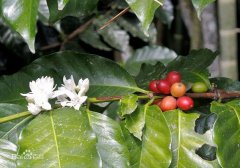
How many treatments are there for Brazilian coffee? Brazilian coffee flavor
The four most common treatment methods of Brazilian coffee are natural solarization, desizing, semi-washing and water washing, among which natural solarization is the most popular. Since the harvest seasons in Brazil's two main producing areas, Serrado Minero (CerradoMineiro) and Mogiana Paulista (Mogiana Paulista), are both dry seasons of the year, natural solarization is popular in this region.
2016-06-06 Brazil coffee how much treatment way flavor common four kinds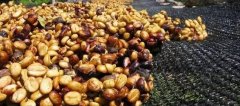
In addition to the sun, washing and washing, there is also a method called honey treatment.
Http://blog.seattlecoffeeworks.com/roastery/earth-honey-process/ do you know where coffee comes from? Today, we have carefully prepared this article for your readers. The article gives a rough account of how coffee beans change from fruit to mellow coffee. Among them, we focus on the raw bean treatment process of coffee, as well as
2015-09-10 Coffee processing methods in addition to the sun washing and a kind called honey English
Classification and causes of coffee defective beans all black beans SCAA grade worm-eaten beans
Boutique coffee is fresh coffee. Whether it's food or drink, of course, the fresh the better, and so is boutique coffee. High-quality coffee should keep the coffee beans fresh before making, including the preservation of baked beans, and grind the coffee beans into powder before making, which is also to retain its original and best flavor. And the way of making hand-made coffee is such a way to make high-quality coffee.
2016-06-27 Coffee defects classification cause black bean SCAA grade moth boutique coffee
Analysis on the treatment process of coffee beans which is better by washing coffee or drying coffee
1. Peeling removes the peel and most of the flesh by mechanical or manual means. two。 Fermentation removes the mucus and film from the core by fermentation. as the length of fermentation time will affect the flavor of coffee, each manufacturer has its own fermentation time. 3. The drying method is mainly divided into natural sun drying and natural air drying. Excessive water content can easily lead to mildew and insect growth of raw coffee beans.
2015-11-04 Coffee washing drying which coffee beans treatment process analysis peeling utilization
Basic knowledge of Coffee production and Coffee Farm in Brazil
The production of coffee is mainly taken into account, ① production, ② diseases and insect pests ③ quality as far as the stability pursued by agriculture is concerned, the first priority is production. In addition, 80% of Brazilian coffee is dried, and the remaining 20% is semi-dried and washed. Its coffee flavor characteristics are different, but high-quality coffee slightly tends to be semi-dried. However, the drying method
2015-10-07 Brazil coffee production farming basics common sense related major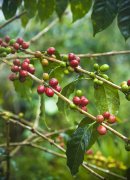
Brazilian Green Coffee Processing Craft Coffee Green Coffee Merchant American Fine Coffee
The four most common treatments for Brazilian coffee are sun, desizing, half-washing and washing, with sun being the most popular. Since the harvest seasons of Cerrado Mineiro and Mogiana Paulista, Brazil's two main producing areas, are both dry seasons of the year, natural solarization is common in this area.
2016-06-24 brazil coffee green beans processing craft americas fine common
The method of dealing with high-quality coffee beans
There are a pair of oval seeds in the center of the fruit of the coffee tree, which are covered with exocarp, endocarp and pulp. Ripe fruit will rot in a short period of time without treatment, so the purpose of refining is to enable coffee beans to be preserved for a long time, easy to store and circulate.
2014-07-09 Coffee knowledge coffee bean processing coffee encyclopedia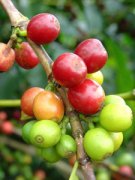
Brazilian coffee beans processing Brazilian coffee green beans wholesale coffee beans American coffee beans
The four most common treatments for Brazilian coffee are sun, desizing, half-washing and washing, with sun being the most popular. Since the harvest seasons of Cerrado Mineiro and Mogiana Paulista, Brazil's two main producing areas, are both dry seasons of the year, natural solarization is common in this area.
2016-07-08 Brazil coffee beans processing way coffee green beans wholesale America
Popularization of professional coffee knowledge | what is honey treatment?
Let's analyze each method of raw bean treatment one by one: 1. Natural solarization (Natural/Dried-in-the-Fruit): the process of this method is the simplest. The fruit begins the process of sun drying without treatment after picking. This is the oldest method of treatment in existence. This method is still used in places such as Ethiopia and Brazil. The natural solarization method is used in
2016-09-20 Specialty coffee knowledge popularization what treatment the following we one by one analysis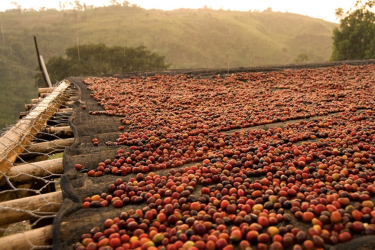
What is sun treatment? introduction to the flavor and taste characteristics of the technological steps of sun-drying coffee beans
Tanning is a traditional method for the initial processing of coffee beans, and at present, almost all coffee-growing countries such as Ethiopia and Yemen still use solarization to treat raw beans. Sun treatment will first identify sunken beans in the sink, that is, ripe or half-ripe beans are spread in the drying farm for natural drying. The specific time depends on the local
2023-03-05 What solarization treatment how one coffee beans primary processing tradition coffee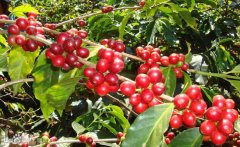
Brazilian coffee green beans processing technology American coffee beans honey processing commercial Brazilian beans green beans
The four most common treatments for Brazilian coffee are sun, desizing, half-washing and washing, with sun being the most popular. Since the harvest seasons of Cerrado Mineiro and Mogiana Paulista, Brazil's two main producing areas, are both dry seasons of the year, natural solarization is common in this area.
2016-06-28 Brazil Coffee Green beans Processing Craft Americas Coffee beans Commercial
How to deal with high-quality coffee beans
There are a pair of oval seeds in the center of the fruit of the coffee tree, which are covered with exocarp, endocarp and pulp. Ripe fruits will rot in a short time without treatment, so the purpose of refining is to enable coffee beans to be preserved for a long time, easy to store and circulate. (1) Coffee fruits and fresh fruits should be treated immediately after they have been harvested. Refining is to remove the outer skin and pulp of coffee fruit.
2015-03-16 Coffee preparation boutique coffee beans how to deal with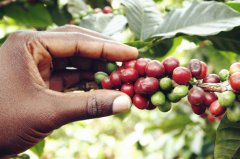
Coffee bean flavor black coffee with different coffee bean dry, semi-dry, wet and honey treatments
Coffee beans are treated in the following ways: sun (Natural); half-sun (Semi-Natural or Pulped-Natural); Honey processing (honey) and Washed (washing). Our most common treatment is Washed. The washing treatment means that after the coffee fruit is harvested, the immature and immature coffee fruits are screened out in a special way.
2016-06-23 Coffee beans dry wet and treatment different flavor coffee coffee beans
High-quality coffee learns the process of harvesting coffee beans
From the coffee-producing countries, we can find that since almost all coffee is produced in countries with more cheap labor, it can be guessed that the process of harvesting coffee beans requires a lot of manpower. Yes, the harvesting of coffee is very hard and requires a lot of manpower, especially in many high-quality coffee, which can only pick fully ripe red cherries from coffee trees.
2014-12-19 Boutique coffee coffee beans harvesting process production junior high school we can